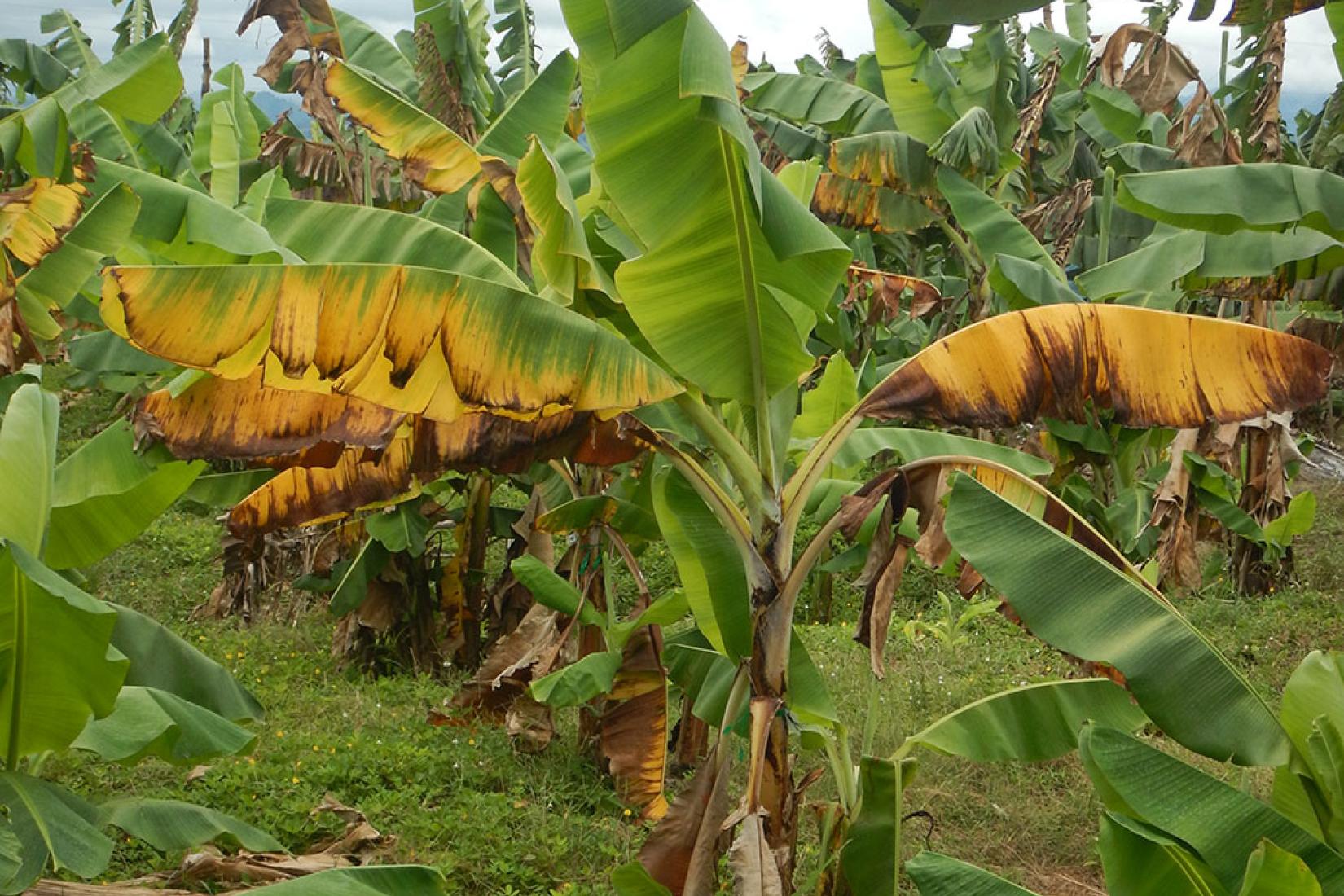
Fusarium wilt of banana, also known as Panama disease, is one of the most serious long-term threats to banana production worldwide. The disease is caused by the soil-borne fungus Fusarium oxysporum f. sp. cubense, which includes Tropical Race 4 (TR4). The fungus can persist in soil for decades, spread through planting material, soil and water movement, with limited management options.
This makes Fusarium wilt especially challenging for smallholder banana growers, who often have limited land, fewer cropping options and restricted access to technical support. For many smallholders, losing productive banana plants is not only a crop health issue, but it also affects household income, food security and their farms future viability.
ACIAR has supported international collaboration to improve the understanding and management of Fusarium wilt in banana production systems. Through research partnerships involving Australia, Indonesia, Laos and the Philippines, ACIAR-supported projects have developed practical knowledge on disease biology, soil health, the microbiome, farm management, grower decision-making and integrated disease management.
This Research Portal site brings together project resources for banana growers, advisers, researchers, extension officers and organisations working with banana-growing communities. The site is designed to share information from collaborative programs and projects, including resources that help advisers and project teams support growers to reduce the impact of Fusarium wilt on banana production and people’s livelihoods.
Note that this site is currently under development. For further assistance, please email Dr Tony Pattison.